I wrote this post in end-2024, the year I turned 40. I am repurposing it here, since I think it will be relevant for many folks looking to get Unstuck.
I don’t think instructional advice (“read 50 books a year”, “don’t let money dictate your career path”, “shut work at 6PM every day”) is always practical. I feel it often lacks the advice-ee’s context. Sure, something may have worked for you with your background and abilities. But will it work for me with my own set of circumstances and ambition?
Which is why I prefer frameworks - first principle ways of looking at the world. Importantly, there’s no explicit do-this-do-that instruction. I think it’s way more helpful to ask the right questions to think about, and let people work out their own answers.
I turned 40 in 2024 and as one does, reaching a decadal milestone, spent a lot of time thinking. About what works for me, drives me, doesn’t work for me. I’ve had many conversations with my partner, partners-in-crime, friends, colleagues, students and some very smart people I’ve had the fortune of interviewing for podcasts or case studies. What you’re reading here is a distillation of all that, an attempt to make a universal set of guidelines to help you get the most out of your 30s - whether you’re arriving, just started or deep into it. Each of the below has questions and tips to help you out. Many of these concepts have worked their way into how we’re structuring Unstuck.
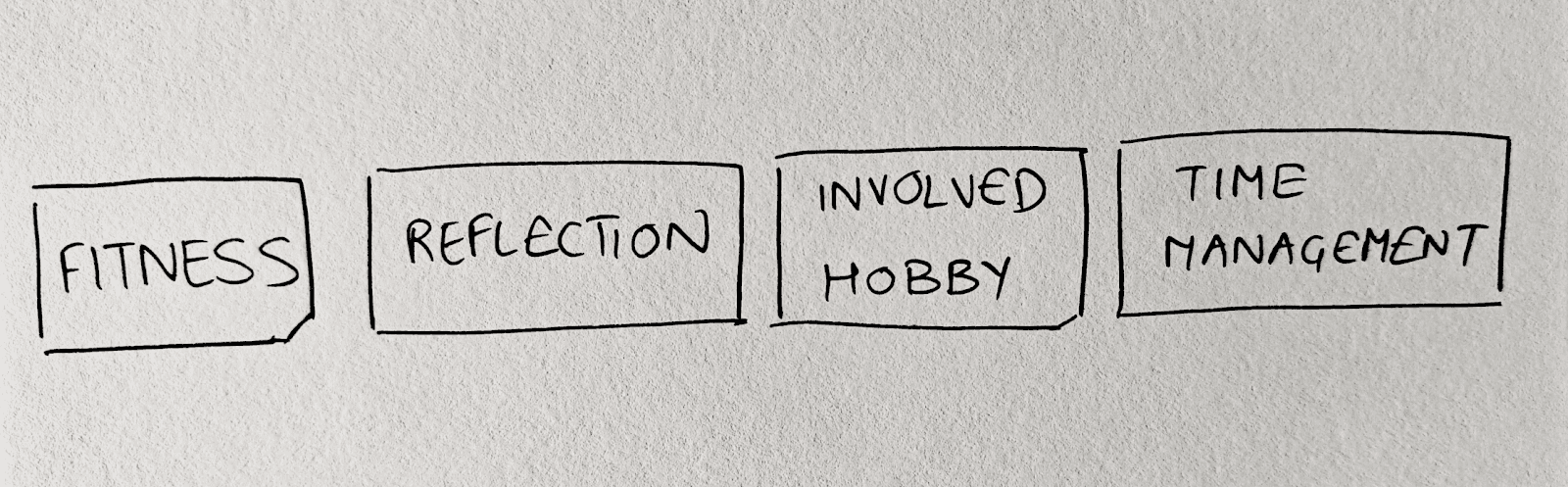
One might argue this is just 4 boxes and not a 'framework' but I hope you’ll cut me some slack.
FITNESS
Of everything I suggest here, this is the only non-negotiable. Whether you choose to rise up corporate ranks or be a freelancer, whether you retire at 40 or 70, whether you get into investment banking or start a prog-metal band… Fitness helps it all. It’s not about getting buff or dropping 10kg in 2 weeks. It’s about sustainably living healthier so you can enjoy life more, and for longer.
I've seen the benefits greatly. I sleep better, am able to enjoy my hobbies better, get into moshpits at the grand ol' age of 40, and just generally move without worrying about whether I'll hurt myself. It's crazy liberating. We are a very physical species, despite the work we do, and taking care of our bodies has mental benefits.
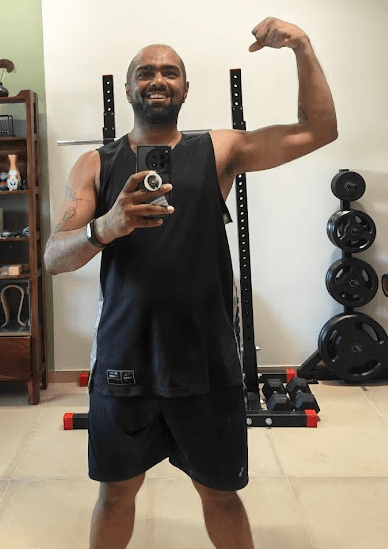
I'm much fitter at 40 than I was at 30!
Starting can seem intimidating, but in short, getting fitter should include:
Eating healthier, and that often means just eating less.
Muscle building with strength training
Some cardio
Some recovery
Details of each could fill a book, so I highly recommend getting a personal trainer for a couple of months, or doing online research, or even asking GPT to build you a plan. The idea is to approach fitness with structure and consistency. I’m ignoring a lot of exercise specifics, the joy of cheat meals and indulgences, etc here.
While the adage of any movement being good is true, directionless fitness can be useless or even detrimental (I myself used to cycle insane amounts from 2014-2019 but it didn’t do anything for me besides impressive Strava stats, I totally ignored muscle building). A bonus is, if you can find one physical activity you enjoy - like a sport or trekking.
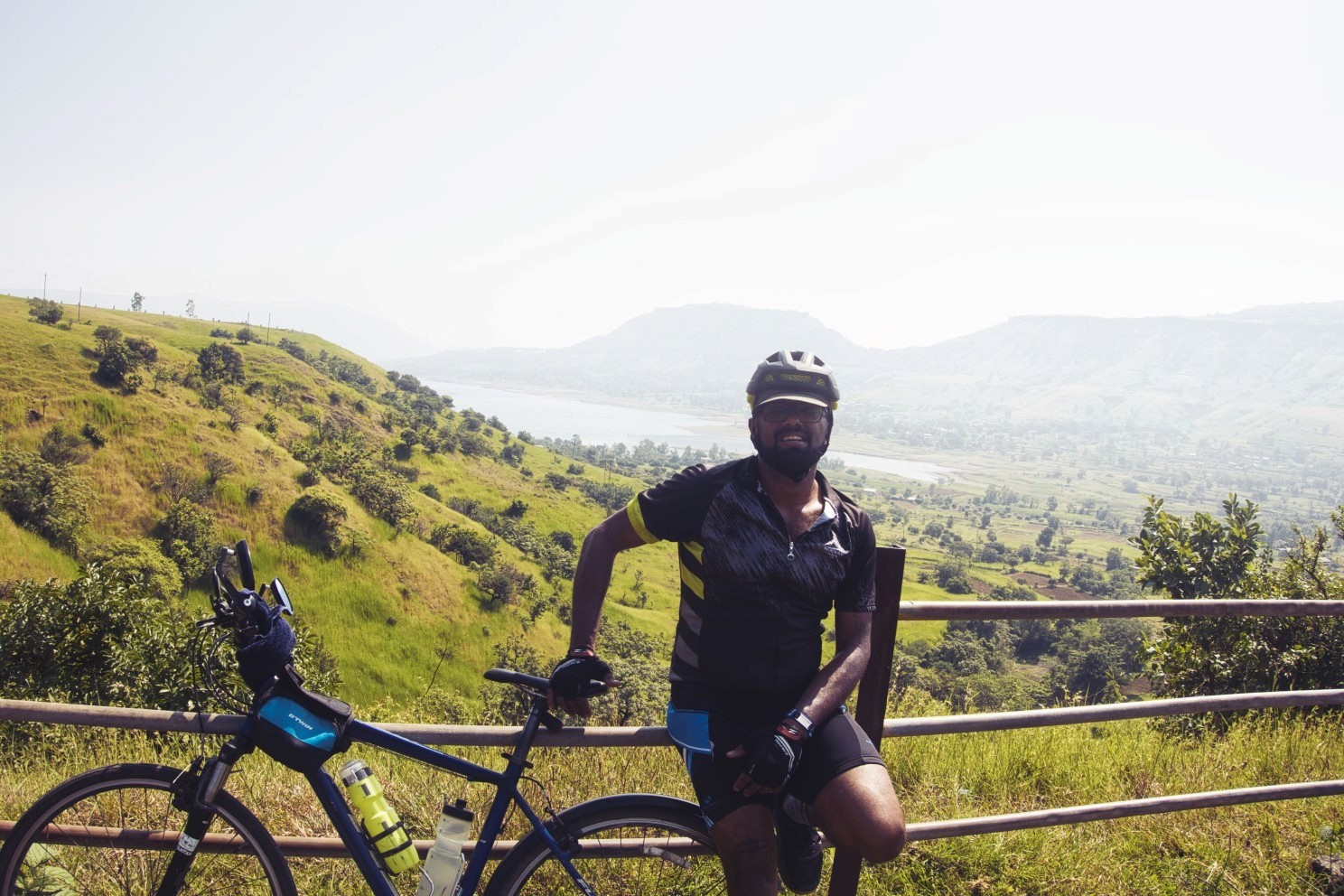
Me and trusty Velociraptor doing some crazy things in the Sahyadris again
A good starting point for all this is not at the gym, but at a hospital - a full-body test should help dictate what you need to focus on.
Universal actionables:
Do a medical test
Build a nutrition and fitness plan basis that
Don’t stop :-)
REFLECTION
Now, this is the toughest of the lot, and the thing that’ll take you the most amount of time to figure out. So let’s start with the actionables here, or rather, the thinkables.
Thinkables:
What do you want your average day - not the outsized day - to look like, ideally?
What is your ambition professionally and personally?
What is your idea of happiness?
What are the things that have worked for you so far, and what hasn’t?
What are the things you seem to be better at, than anyone else?
If you had to give a TED talk now, what could the topic be?
All of these questions are deliberately broad - you can spend a month decoding just one. And that’s the idea. I don’t expect you to have an answer immediately, or even in a year. Rather, these are things you should be chipping away at and constantly working towards.
For example, at around 32 I realised I was not very motivated by money or titles. 4 years later that gave me the confidence to go freelance. I am still working towards my own ‘ideal day’. I have a sense of how my brain works and am trying to make #content basis that, like this article.

For this section, I didn't want a lame picture of me staring out of the window pretending to think... So here is a literal reflection (somewhere in Karnataka, 2015)
I think reflection - on both the past and future - is very important throughout your 30s. It’ll help you figure out more immediate things based on your circumstance such as:
Should I quit this career and go do something else?
Should I turn that side hustle into my actual job?
Do I want to raise a family?
Should I dive deeper into this curiosity that I have?
Should I say no to social events?
What do I need to newly learn? Do I need to learn anything?
Which relationships are worth strengthening, and which should be let go of?
And so on. Along the way, you will discover your values, your ambitions, your motivators. You will get your own “thinkables” along the way to add to that list. Again, it won’t come as an epiphany. You will have hypotheses which you constantly test. I would be lying if I said I’ve figured out answers to those questions, but I do reflect on them often. And that itself helps.
For example, I have a sub-framework of this for folks wondering if they should get into freelancing. (again, another post).
Bonus tip: For everything in life, there is what I like to call an effort vs reward ratio.
Some people are willing to put in extra effort to get extra reward. You may not be, and that’s fine - as long as it works for you and your circumstance (there is a non-fine line between laziness and satisfaction). I’ll write about that later, but it’s one of those little metrics you’ll come up with yourself as you take this journey.
“Only after AIB stopped and I was forced to stop, did I actually reflect on everything that happened, my own career, and what I actually wanted to do myself. And that was very useful” - Rohan Joshi (highly paraphrased), in an interview I did with him in 2021.
HAVE AN INVOLVED HOBBY
So here’s what I mean by having an involved hobby: It’s something you do for the sheer joy or relaxation it brings you. It is NOT meant to be the starting point for creating content. In fact, the less ‘productive’ this hobby is, the better. Disconnect from distraction and go deep into whatever yours might be.
For example…
You like music? Download 15 tracks, disconnect the internet, and zone out. You don’t need expensive headphones - the lack of distraction can make cheap earbuds feel like planar magnetic headphones.
Want to get back to reading? Keep the phone in another room, brew yourself a cup and just lose yourself. Maybe a notebook on the side if you’d like to take stuff down.
Cricket? Then do the sport justice and go deep. Read history. Join online fandoms. Use the internet productively for your hobby.
Maybe you want to use your hands again? Try a linocut art start pack, sketch, or do a jigsaw puzzle. You do not - I repeat - DO NOT - need to be “good” at your hobby. You can draw rubbish but if it acts as an outlet for you, why not?
I’ve spoken to many people who have their own obsessions (and one day, I hope to write a book about it) and two things are very clear - it’s about being distraction-free, and not looking to use it as a crutch for fame / making money. That’s when a hobby is pure.
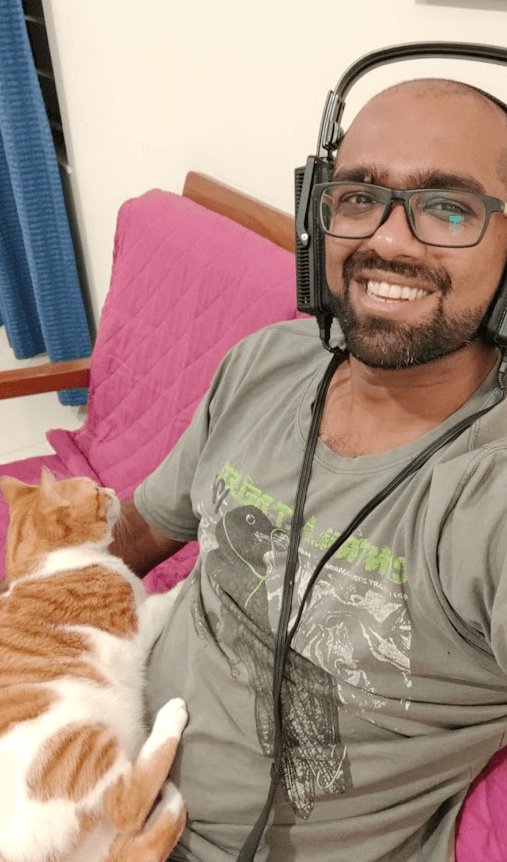
Loading 10 songs onto my tiny dedicated player (NOT a smartphone), disconnecting the internet and chilling with a beer and Zoya has now become a Sunday ritual. It's insanely therapeutic.
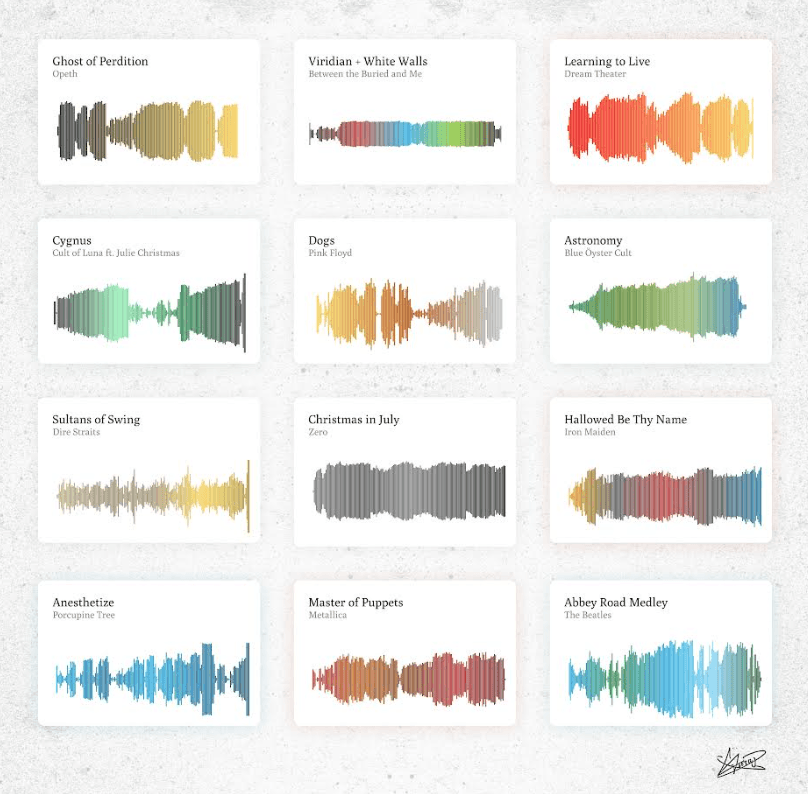
Going deep into a hobby can be very therapeutic. It makes you a more interesting person. And it will give you mental connections and theories you can transpose to other areas. A lot of my own way of thinking about the world is built on the back of how I think about music. In 2023-2024, I thought deeply about why I like the songs I do. That led down a massive rabbit-hole which will turn into a series of articles about what makes content work. To remind me of this, I made some art out of my 12 favourite songs and have it framed. Shoutout to my brother Sooraj for whipping this up (on Figma no less) while he was supposed to be paying attention on a Zoom call!
TIME MANAGEMENT
And finally, all of the above comes together practically. You can make all the plans and have well-meaning hobbies but unless you actually execute them, it’ll all fall to naught - as good as a nice strat PPT with no next steps (been there).
In the spirit of how I started this piece, I am not going to recommend everyone do calendaring. It works for me and I’m obsessive about it (yes, even writing this piece was marked out), but it won’t work for everyone.
So I’m going to leave this the vaguest of the lot, and say - find what works for you. There might be several approaches:
Have a weekly list of things to do across work, fitness, hobbies, and chip away at them.
Take the day as it comes (something an entrepreneur I once spoke to, prefers)
Have a highly calendarised approach - slotting in everything from work to meetings to exercise to concerts to hobby time, colour-coded and stuff.
What your ideal approach is depends on how you work and what you do (I work independently so largely have the freedom to build my own schedule). But the idea as always is to do things sustainably - I’d say start small and then scale things up slowly.
Tip: When building habits, do something that you know you can do every week. So working out 6 days a week is great for week 1, but you know it’s going to drop off by week 5. Instead, “move at least twice a week” is a better start. It might seem unambitious for Jan 01, but it’s sustainable. Level up only when you’ve maxed this out.
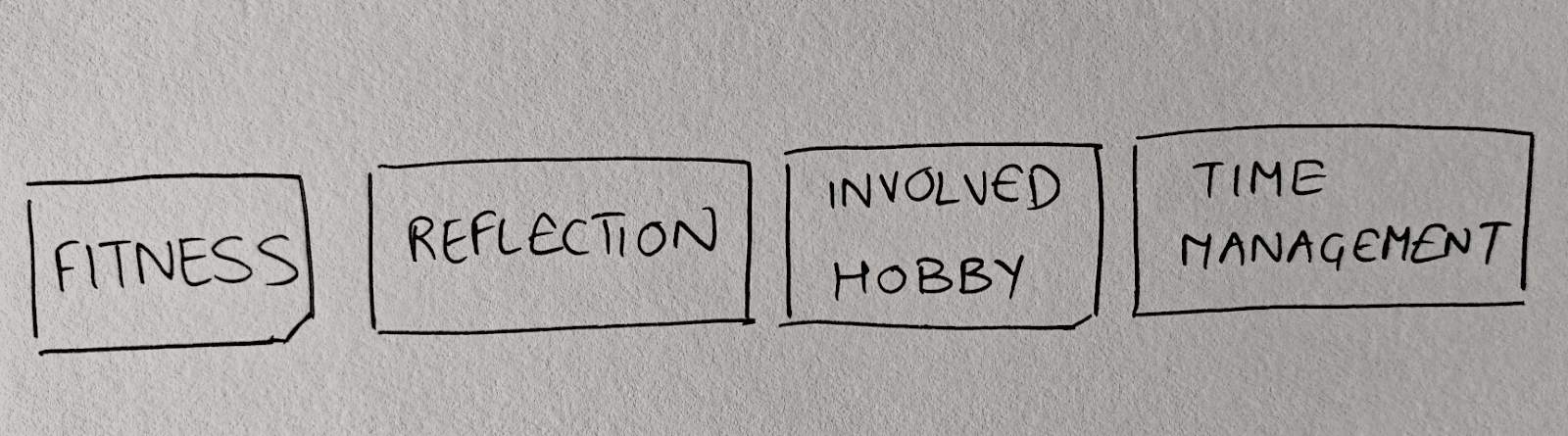
So there you go, those are the 4 elements of my “living in your 30s” framework. You could argue this is not specific to that age group, and that’s true, but I feel the principles here are best applied to that decade. Where you take the experiments and experiences of your 20s and refine them.
I feel that the 20s is when you collect dots, 30s is when you connect them, and 40s is when you maximise the connections (to be tested, will update you in approx 10 years).
In any case… whether you’re a mid-level professional wondering what to do, or are someone tired of resolutions not working, or are leaving B-School wondering how to maximise efforts, or just someone searching for meaning - I hope this was useful.
I’m no expert. I still make plenty of mistakes, and am yet to find my own balance of things. But if I were to rewind 10 years, the above is the advice I’d have for my just-turned-30 self.
Ultimately, I don’t think there is one-size-fits-all advice. You really do need to find things out for yourself, and I hope this framework was a good starting point.