
Imagine you’ve landed in Tokyo. With dreams of matcha, cherry blossoms and award winning stationery, you step out on the streets. You drool over snapper sashimi, udon and somen noodles, okonomiyaki and more names you struggle to pronounce but glibly consume. And of course, you board the famed Shinkansen (bullet train) to get to Osaka.
It feels surreal to be on a Shinkansen, for it's scarcely believable that you are travelling on land at 320 km/hr. It’s an engineering marvel, and the design is seductive. Its aerodynamic shape is sleek, slicing through the air with the elegance of a precision blade wielded by a samurai. An experience way more enjoyable than sitting in an airplane, with a cramped seat and a snoring co-passenger. And so smooth, that you could balance a coin on the windowsill and it won’t topple. Did I say at 320 km/hr?
Half through the journey, you fire up Google maps, and to your horror, realise that you are not going to Kyoto. Instead of taking the Tokaido Shinkansen that goes south connecting Nagoya, Kyoto, and Osaka - you have taken the Tohoku Shinkansen, the one that runs north from Tokyo to Aomori.
Deeply annoyed with yourself, but being a traveller at heart, you decide that you are now going to Aomori and are going to have a great time there. It has an amazing culture of Onsen, Tsugaru stove train, and the Aomori Nebuta festival. You were anyway going to sample the Ekiben - the colorful, meticulously arranged meal boxes, each one a tiny, region-specific masterpiece that begs to be tasted. So if not in Kyoto, let it be in Aomori.
But in the build up to the Japan trip (Oh yes, there was a build up, over years and years) you had been dreaming of Kyoto and Osaka. You wanted to be in Kyoto, the former imperial capital with ~2,000 temples and shrines, 17 UNESCO sites, lantern-lit alleys, and traditional wooden machiya streets. You wanted to be in ‘Japan’s Kitchen’ or Osaka, known for its outgoing and humorous character, with its rivers, waterfronts and skyline views. Aomori would be nice too, but not as nice as Kyoto and Osaka.
But many of us, just like this ill fated Japan trip, are on the wrong train. On the wrong train in life.
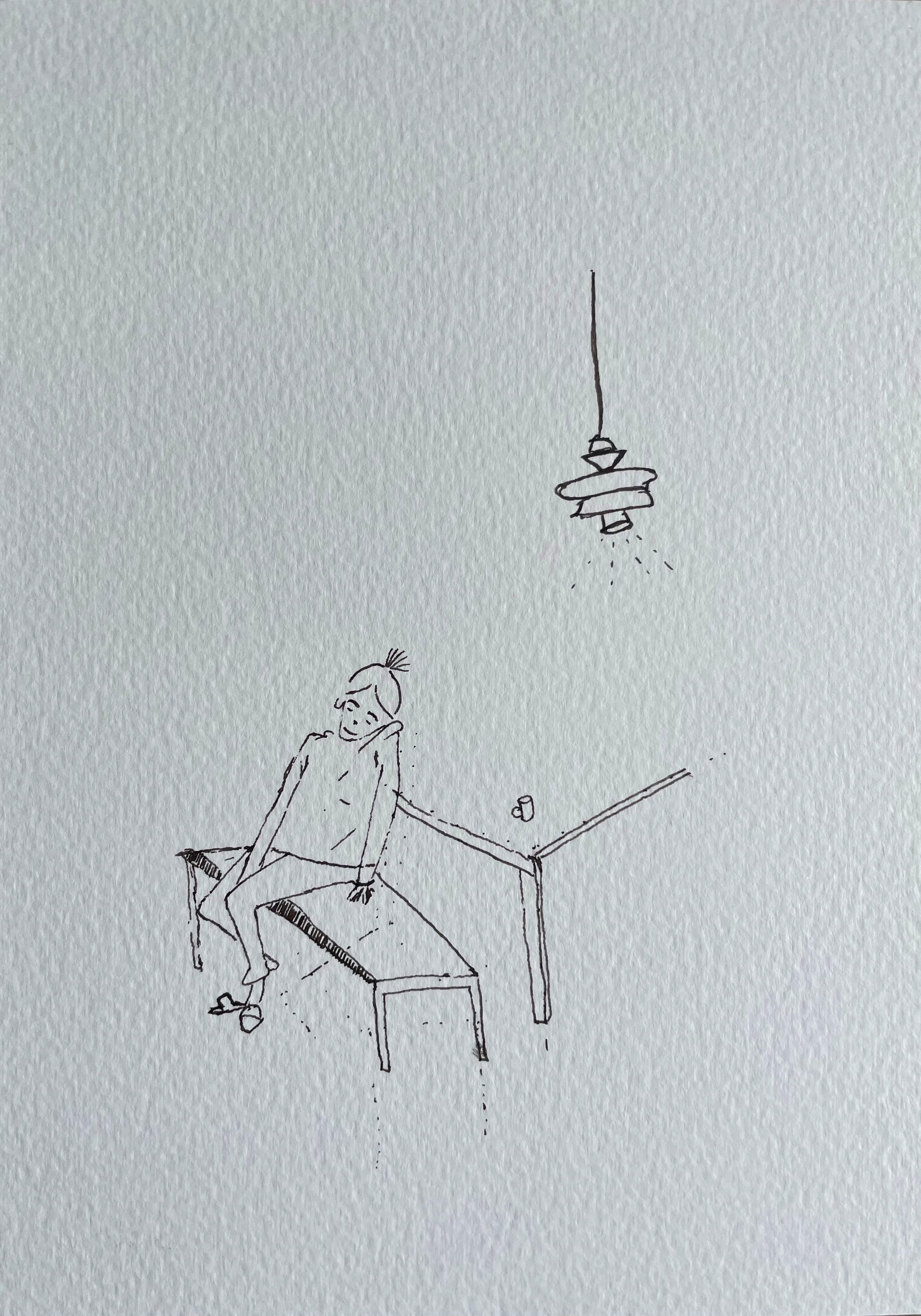
The Indian millennial lived most of their life on a script. One, not written by them. One, written by their parents, society and the neighbour four doors away, because the idea of your success was a collective responsibility theatre. Everyone but you had a say, and thus you went through the grind - Engineering or Medicine (depending on how good you were at mathematics), or Commerce (with the expectation of being a Chartered Accountant), and if you were a massive disappointment, you took *shudders* Arts.
You stumbled out of school into a job, having no real skills, because we never had a true culture of apprenticeships in white collar jobs. You went through the motions - work-earn-sleep-repeat. It’s not that you were incompetent at your job, on the contrary, you were hitting it out of the park most of the time. You had more awards and appreciation mails than you could count, and were on a ‘fast-track’ to upper management. Somewhere along the way, you may have gotten an MBA, because what else is there to do? You became The Privileged Urban Indian Millennial (PUIM) - The top 1% of India, the professional - managerial class. As you managed to carve out a little space for yourself, you built a niche interest - like brewing coffee at home, obsessing over beans, grinding, temperature of water etc or got deep into running. But then at the end of it, your identity was and continues to be very strongly rooted in your work - it provides you with meaning, structure and status, and most importantly, the money to sustain the lifestyle - that allows for one annual international vacation, a domestic one / a few weekend trips thrown in between. Your weekdays are a blur juggling work and personal life, and you rely heavily on the weekend to do the things they want to do. You have a lot going on in your life, and are tired most of the time

And all this while, you got this nagging feeling - Is this it? Is this how the rest of my life is going to look like? There is a simmering crisis of meaning, that raises its head every once in a while, makes you anxious, uncomfortable and unsettled. You manage to bury it under the weight of work deadlines, but you can’t deny its unmistakable presence.
So to dull its presence, you try to ‘optimise’ your life. You want to do more in a shorter amount of time. You fill your life with productivity content, but rarely taking action, not realising that knowledge without action is entertainment. But even if you power through all the advice and take actual action, you somehow feel dissatisfied. Like it feels nice, but does not feel .. complete?
That is because you are going to Aomori, and not Osaka.
Productivity advice is useful when you know what it is that you want to do. Not everyone needs to get up at 5 am, not everyone needs to microdose or build AI agents. Productivity advice works when you know the direction you want to go in. The direction that allows you to live a life aligned to your values, a life that gives you a steady, baseline sense of progress, peace and satisfaction. In its absence, you will go at 320 km an hour to Aomori, without knowing that you wanted to go to Osaka.
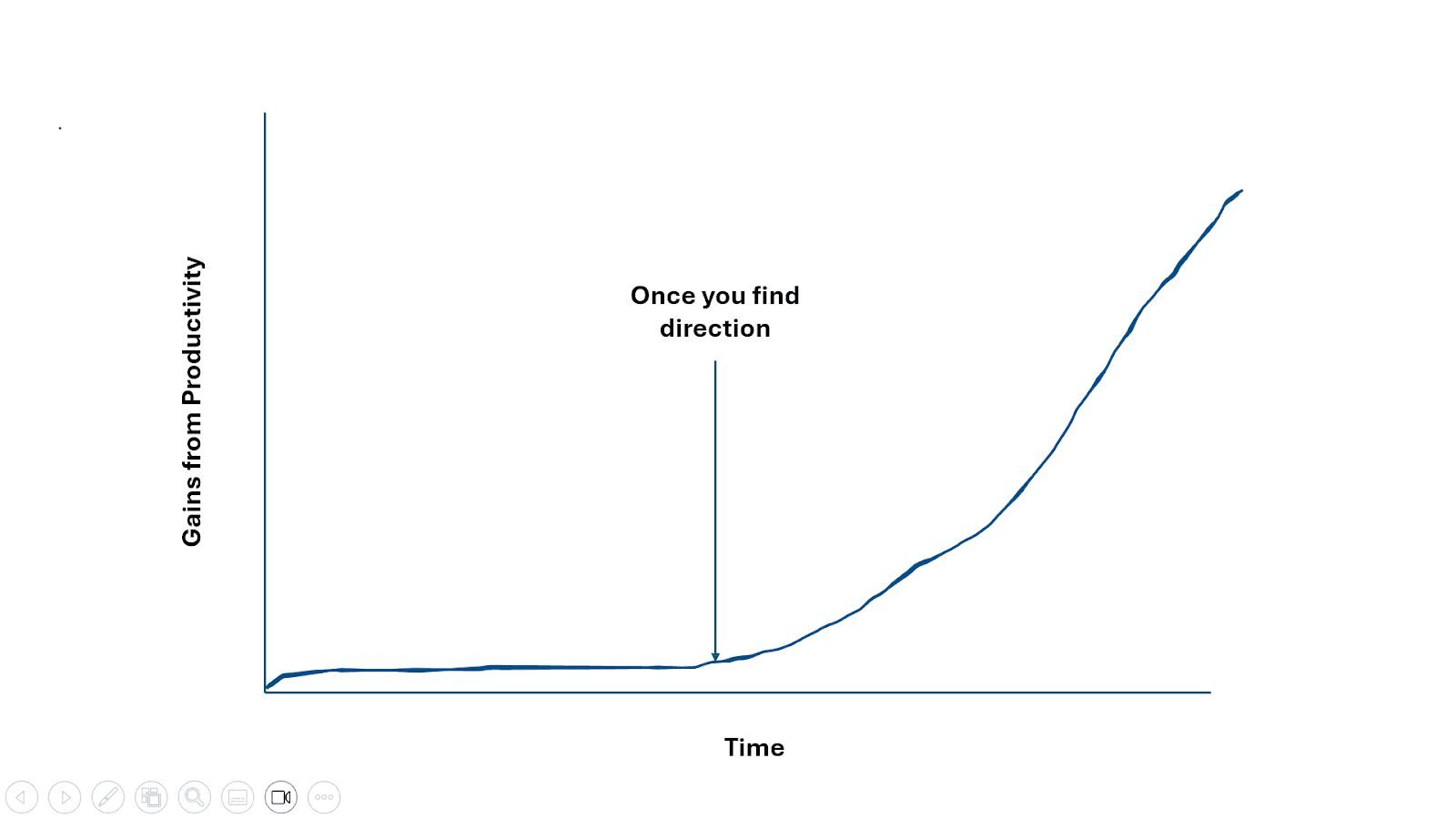
One of the most challenging aspects of being an Indian millennial is to find our Osaka. Only then we must worry about getting on a Shinkansen.